About the author
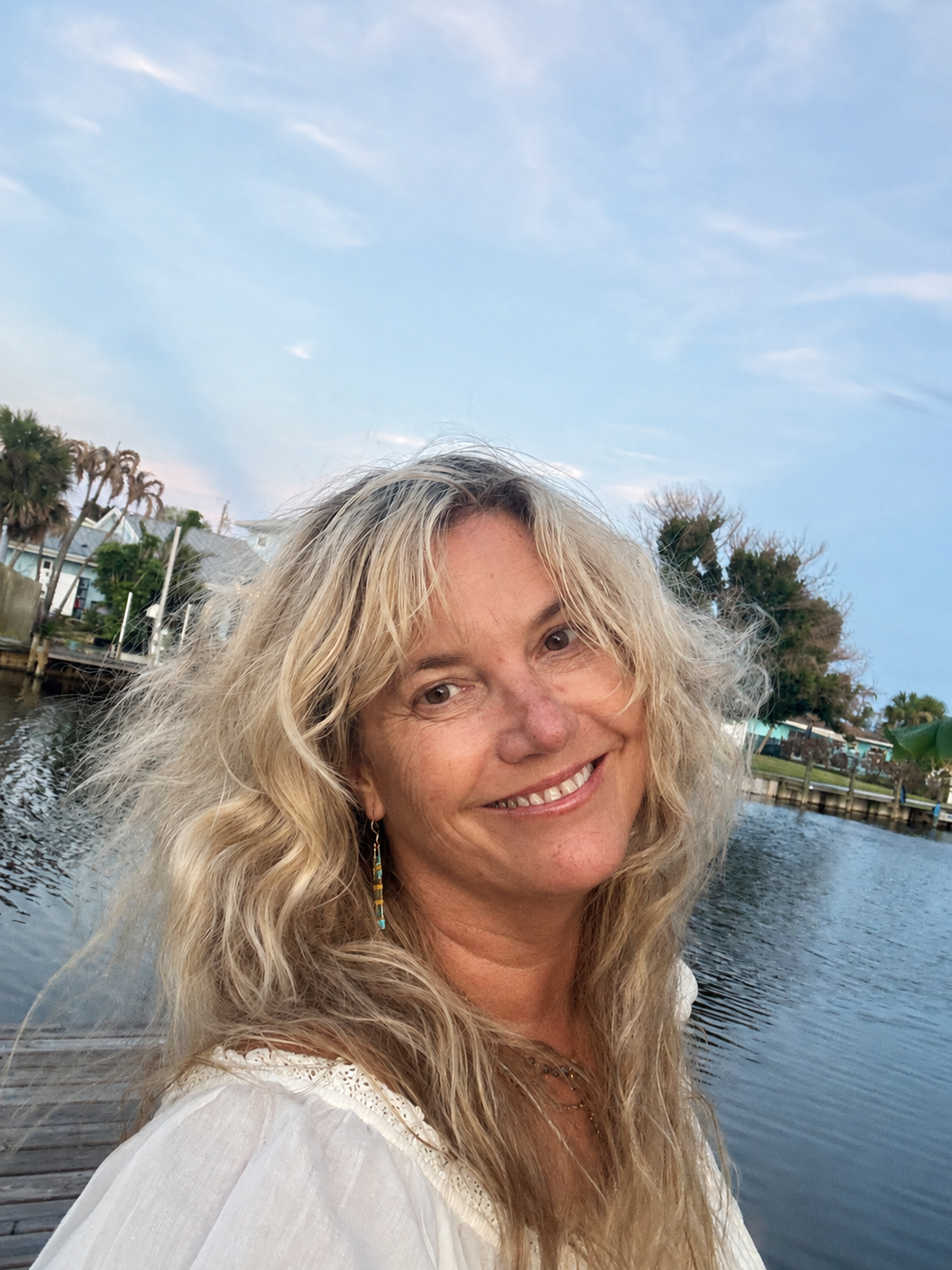
Mary Jo Landry
Holistic nutritionist, professional cook, and the daughter now figuring out how to feed her 82-year-old mother with the same love her mother once fed her.
Why I Wrote This Book
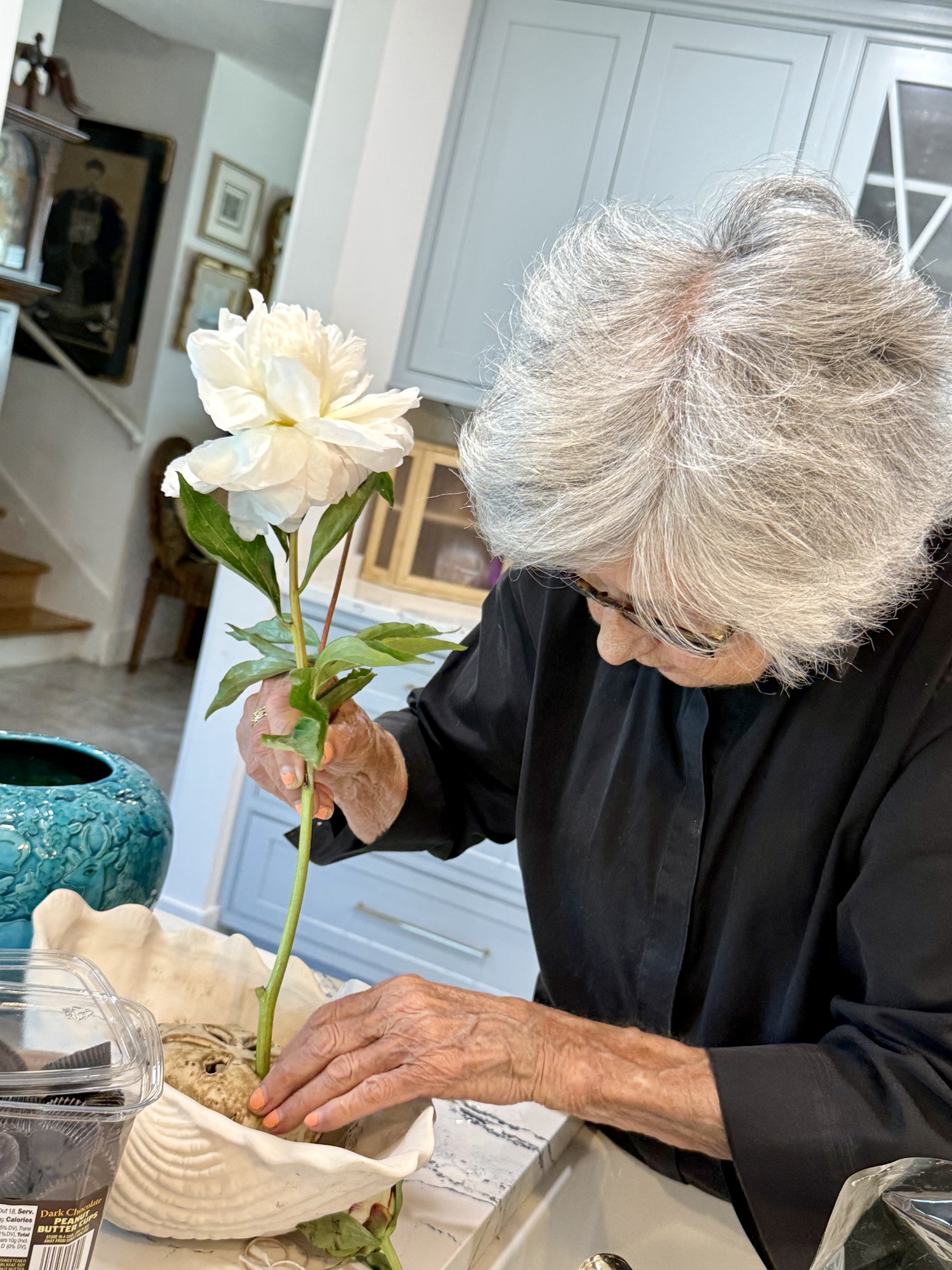
My father recently passed, and I moved in with my mother — 82 years old, and the person who first taught me to cook and to love food. Now the roles have reversed. I'm nourishing her, and together we're figuring out what works and what doesn't, one meal at a time. We're having fun along the way.
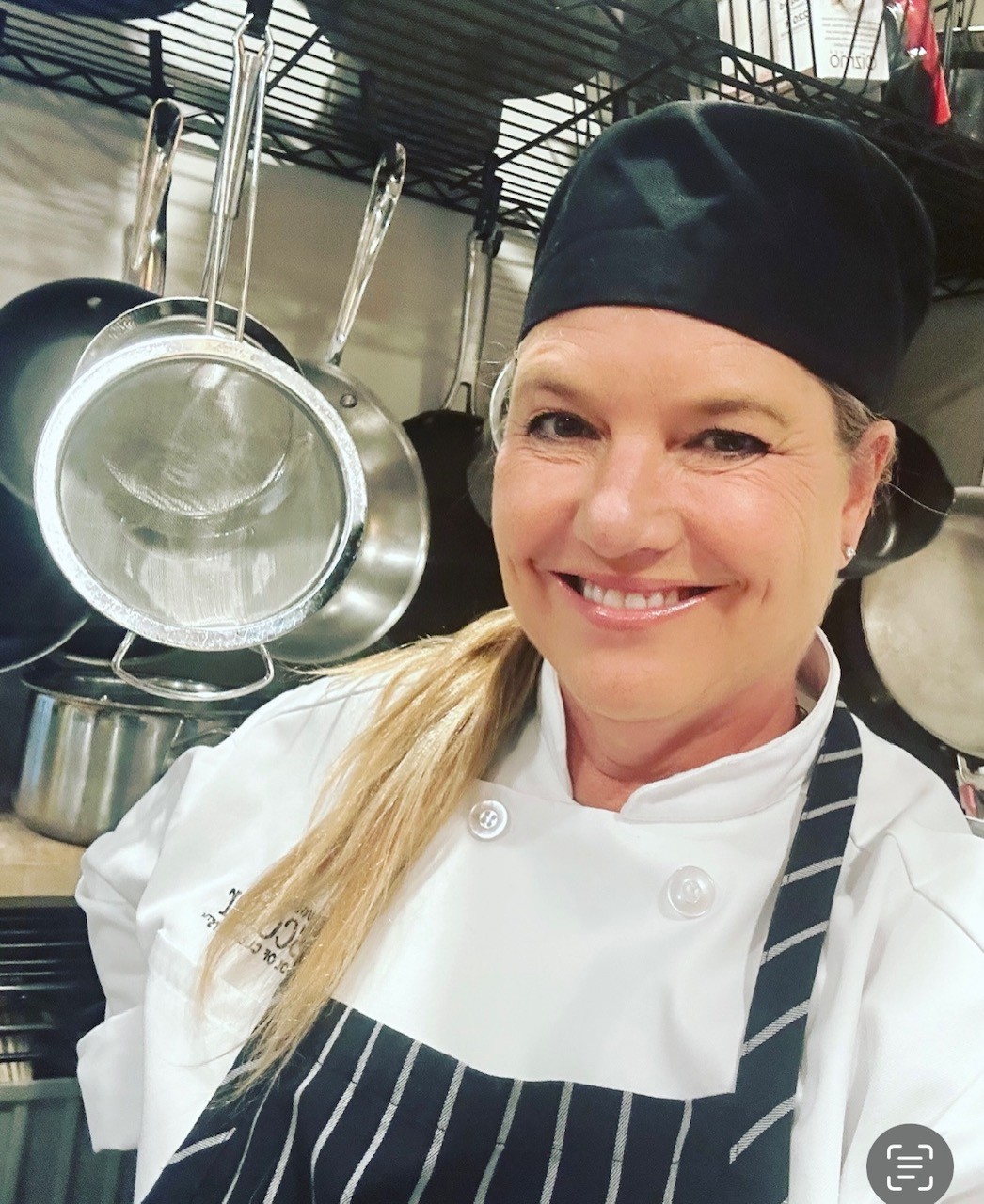
It isn't new work for me, though the stakes feel different now. My training is in holistic nutrition, and my professional cooking education taught me that food is never just fuel — it's memory, comfort, dignity, and love served on a plate. Over the years I've cooked for just about every kind of eater there is: toddlers who declared war on anything green, breastfeeding mothers who needed real nourishment at 2 a.m., and families navigating celiac disease, where one wrong ingredient wasn't a preference issue — it was a health issue. I've made baby food from scratch, puréed my way through more vegetables than I can count, and learned to hide nutrition inside food that just tastes like a treat.
Here is the thing that surprised me when I started cooking for my mother: almost everything I learned feeding toddlers applies.
Stay with me — I mean that with the deepest respect. I am not saying your mother is a toddler. I am saying the strategies that work for a two-year-old with a tiny appetite and big opinions are strangely, wonderfully effective for an eighty-two-year-old with the same:
- Don't pressure. Pressure kills appetite faster than anything. The moment a meal becomes a battle, everybody loses — and the food gets cold.
- Serve what they actually want. If Mom wants grilled cheese for the third day in a row, make the best grilled cheese of your life — and quietly make it work harder nutritionally.
- Make it small. A full dinner plate can feel like a homework assignment. A few pretty little bites feel doable, even inviting.
- Make it fun. Warm pinwheels. Little croquettes. A milkshake with lunch, why not? Delight is an appetite stimulant, and it's free.
- Sneak in the good stuff. Puréed vegetables disappear into sauces, soups, brownies (yes, brownies). They'll never know, and their body will thank you.
No pressure. Small portions. Real nourishment hidden inside comfort. Every recipe in this book was built on that idea — and on the meals my mother and I are still figuring out together, one plate at a time.
My Approach
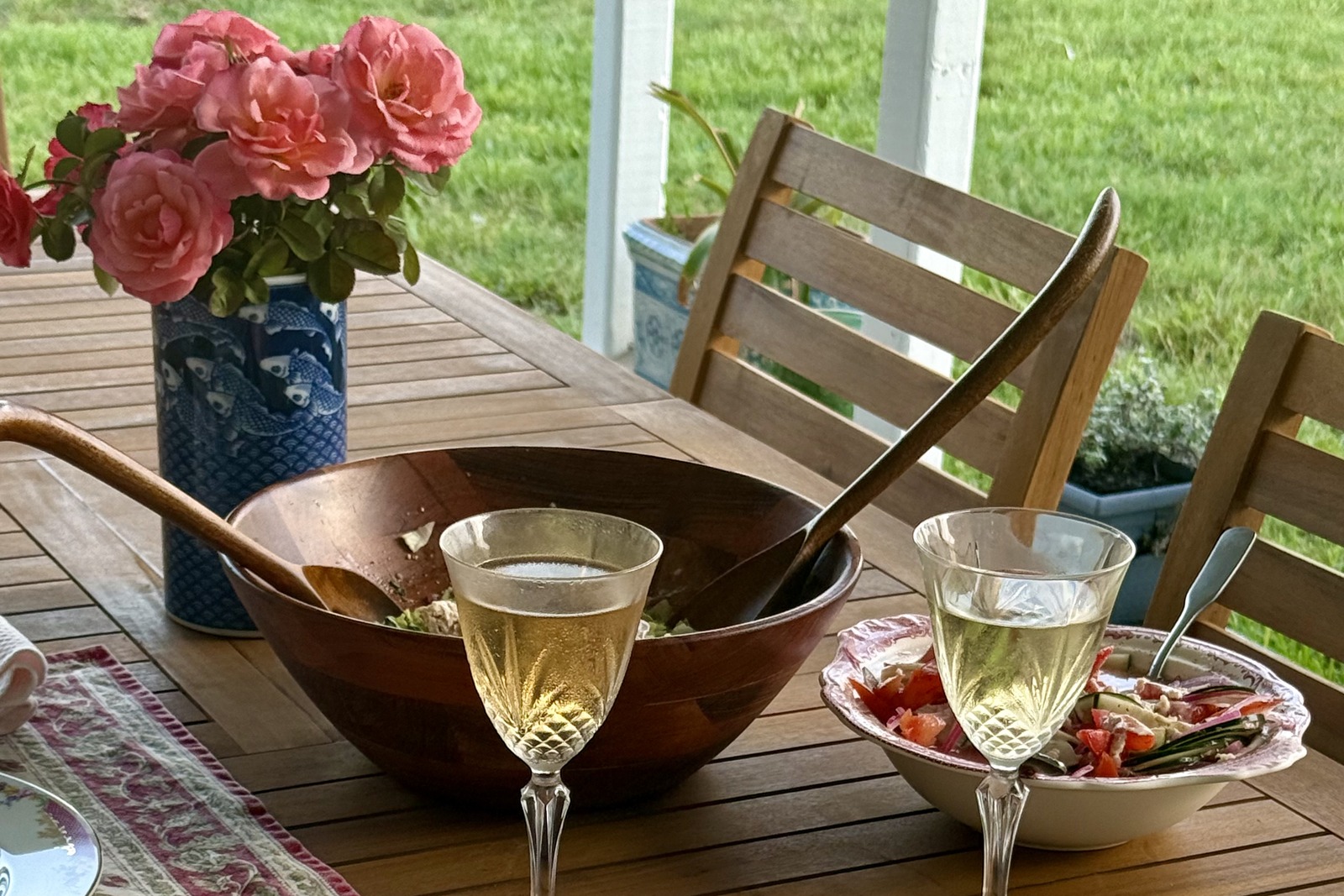
My food philosophy is simple: make food that is delicious, nutritious, simple, elegant, and appealing. We eat with our eyes first, so presentation matters as much as nutrition does. My holistic nutrition training and my professional cooking background come together in every recipe in this book, and texture is never an afterthought — when chewing or swallowing gets harder, texture becomes the whole conversation. I use good, fresh, local ingredients, and I don't over-fuss or overcomplicate a dish. Comfort and nourishment belong on the same plate.
I never pressure, and I never berate. I serve good food that people actually want to eat, and I listen to what they ask for — then I quietly make it work harder for them nutritionally. In this book, you'll find simple techniques and adaptable recipes you can shape to your own kitchen and the person you're cooking for. A meal should be a pleasure, not a chore. Every recipe here is built to help you bring your loved one back to the table — somewhere it's easy to connect, feel comfortable, and feel loved.